

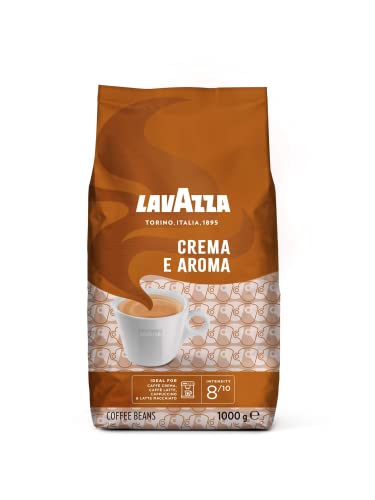
Espresso Coffee Beans 1kg
A excellent espresso requires a mix of coffee beans suited to the type of beverage. While 1kg coffee beans Coffeee or light roasted beans are also used to make espresso, the taste may not be appropriate.
The best espresso beans are smooth and nuanced, with a a rich crema. They also contain less caffeine than drip-style coffee.
Origin
The origin of espresso coffee beans is a fascinating tale. The legend says that a 9th century Ethiopian goat-herder named Kaldi discovered the very first coffee plant in his herd and observed that it had a distinct invigorating effect on his herd. He began feeding his animals the fruits of the Coffea arabica plant, and they became stronger and healthier, and began to become more active. This was the start of a wonderful beverage that is consumed by people all over the world.
The brew we recognize as espresso is made by pushing hot water under pressure over a bed of finely ground coffee beans. The resulting brew is rich in flavor and extremely concentrated, with a layer of smooth, tight bubbles called the crema. This is the hallmark of a good espresso drink and has spawned a whole culture around the drink.
Espresso is popular not only in cafes, but it can be made at home. You can enjoy the perfect cup of coffee each time by buying the right equipment and roasting your beans yourself. The process is more time consuming than just buying a coffee from the shop, but it's worth the effort in terms of quality and flavor.
It is essential to choose the right coffee beans for your espresso to ensure a rich and delicious brew. Many people use regular coffee to make espresso. This is not recommended as they are ground and roasted differently, which can result in a bitter or weak coffee.
We offer espresso coffee beans in bags of 1kg which are roasted and ground specifically for espresso making. You'll get an excellent cup of coffee every time. We only source the best quality Arabica and Robusta beans from farms that adhere to sustainable farming practices and ethical standards. This speciality coffee is from the Colombian region of Huila, which is famous for its fertile valleys, snow-capped mountains and soil which has been enhanced with minerals over time.
Roast
Roasting is the process that transforms raw green beans into coffee that we drink. It's also what gives coffee its flavour, colour and aroma. The process of roasting requires a great deal of skill and experience to regulate the temperature so that the beans don't get burned or become bitter.
During the roasting process, the beans lose a bit of moisture and expand by as much as 55. They also begin to release carbon dioxide that causes them to expand and crack and this is known as the 1st crack. The 1st Crack is where sugars start to caramelize, and the bound water begins to escape. This is also the point when the structure of the bean is broken and allows oils to flow from their pockets within the seed. This is a crucial stage when roasting and should you rush the process the coffee will be ruined.
A well-roasted, full-bodied coffee will have a smooth and balanced profile. It will have a distinct aftertaste, with minimal sourness but still retains the essence of the bean. This is achieved by roasting beans until they are a medium brown color and have lost the majority of their moisture.
After roasting the seeds after roasting, it is essential to cool them down as quickly as you can to stop them from burning. This will release more carbon dioxide. The final outcome will depend on the speed of roasting and the speed at which they are cooled.
Espresso coffee is generally a blend. This is because while single origin beans are excellent for specific brewing techniques, espresso demands a mix of different beans to produce the rich, complex flavors it is renowned for.
To make the best espresso it is recommended that you use a high quality espresso machine. The top machines will have an extra water tank for the espresso as well as a larger capacity boiler that allows for faster heating. To maximize the extraction quality, fill the water tank with clean, fresh water.
Dose and Yield
One gram of coffee ground is used to make one shot of espresso. The ratio of espresso liquid to ground coffee must be less than or equal to 1:2. The precise ratio is dependent on the density of your specific beans. Certain coffees are heavier than others when they are ground to the same size. This is why a scale that is precise can be so useful!
The temperature of the brew will influence how you use your coffee beans. The ideal range is between the 195-205 degree Fahrenheit range. This is due to the fact that the flavour compounds from your beans are optimally extracted within this range. A higher or lower temperature could affect the texture, flavor, and the thickness of the crema and also the consistency and amount of extraction.
There is always a compromise between strong coffee and rich flavor. The more you extract the stronger it will be, but that also increases the risk of bitterness and bitterness and. You may be tempted by recipes that boast a high yield to compensate. As you increase the multiplier, you also increase the amount of water flowing through the grinds. This is significant and often means that your flavor is being diluted and lost.
The dose is the most flexible control, however numerous other factors influence the strength of the espresso. The most important of these is the ratio as well as your grinder's precision, the size of your portafilter and the speed with which you take the shot.
A higher ratio (less that 1:2) will result in a balanced, intense espresso with a sweet mouthfeel. On the other hand, a shorter ratio will produce more intense but less balanced espresso. Finding the right balance is crucial. You can achieve this by playing around with the dose and adjusting the ratio based on the intensity you prefer and the flavor intensity.
Brewing
Espresso beans are ground more finely than regular coffee beans and brewed with more pressure. This results in a stronger espresso, with more intense flavors and aromas. Espresso is used to make lattes, cappuccinos and other drinks made from coffee that are usually made from milk. It can also be mixed with other types of coffee in baking, or used as a garnish on desserts made with coffee or chocolate.
Espresso coffee can be prepared using a variety of methods of brewing, including drip coffee, Turkish coffee, cold brew, and French press. The method of brewing you select will be based on your personal taste and the equipment you have. Experimenting with different brewing techniques and ingredients will help you find the perfect cup of espresso.
Espresso beans can be used for other drinks made with coffee, but they are most suitable for espresso-based drinks. This is because espresso beans are roasted over a long generally up to and over the second crack, which gives them a much darker toasty and more intense flavor. Espresso beans are also often roasted with higher levels of volatile compounds like trigonelline 2 and chlorogenic acids 4 which are responsible for the body and bitterness of espresso.
Although it is technically feasible to make espresso from any type of coffee bean roasted but this will not produce the desired results. This is due to the fact that espresso beans are roasted to produce distinct flavors, like chocolatey or fruity, which is difficult to duplicate with other roasts.
When making espresso, the main goal is to achieve a good crema. This is a dense, thick layer of coffee foam that reaches the surface of the coffee as it is extracted under a high pressure. A great crema is an indication that you have incorporated all the essential ingredients like your coffee beans, grinder, and resistance in the coffee bed, to create a great coffee.
The most important factor for getting a great crema is the quality of your beans. The finest espresso beans are those that have been roast at a medium to dark roast and then ground as finely as possible. Freshness is also essential because whole beans preserve their flavor and taste longer than the pre-ground varieties. It is also essential to keep beans in a sealed container away from heat and moisture.